Circumcision may be more or less acceptable in teenage boys, and informed consent is required for this treatment. While circumcision may have some physical benefits, pushing it on your teen may negatively influence their emotional health.
Read on to learn more about teen circumcision, its benefits, and how to recuperate after the procedure. This post also discusses the hygiene habits for uncircumcised adolescent boys.
Facts About Teenage Circumcision
Teenage circumcision can be a ritual or part of their religion for some ethnic groups. Some parents may delay circumcision until puberty and teenage years to let their children be involved in decision-making. However, infancy is considered to be the optimal age for clinical circumcision due to a lesser risk of complications and a better cosmetic outcome.
These are some facts about circumcision.
- The tradition of circumcision is common in Islam and Judaism.
- Newborn circumcision is done as a part of cultural belief for some tribes in Africa and Australia.
- Countries with ritual neonatal circumcision often perform the procedure on the seventh or eighth day after birth.
- Although routine circumcision for newborn boys is not mandatory, The United States of America has more non-Jewish and non-Islamic men who have undergone circumcision.
- Infant circumcisions have fewer risks than adolescent circumcision.
- Circumcision may slightly lower the risk of sexually transmitted diseases, such as HIV and urinary tract infections.
- Circumcision prevent phimosis, a condition where the foreskin becomes tight and difficult to retract.
- Medical conditions, such as recurrent balanoposthitis (recurring inflammation of the foreskin and head of the penis) and phimosis can be the reason for circumcision in adolescent boys.
- The use of local anesthetic reduces the pain of circumcision.
- It is highly recommended that circumcision be done by a surgeon in a sterile and hygienic environment.ADhttps://delivery.adrecover.com/recover.html
- Penile hygiene is easier in circumcised men.
- The medical staff highly recommends adhering to the law and following the necessary ethics of circumcision, and taking consent prior to the procedure. Forced circumcision could impact your teen’s mental health.
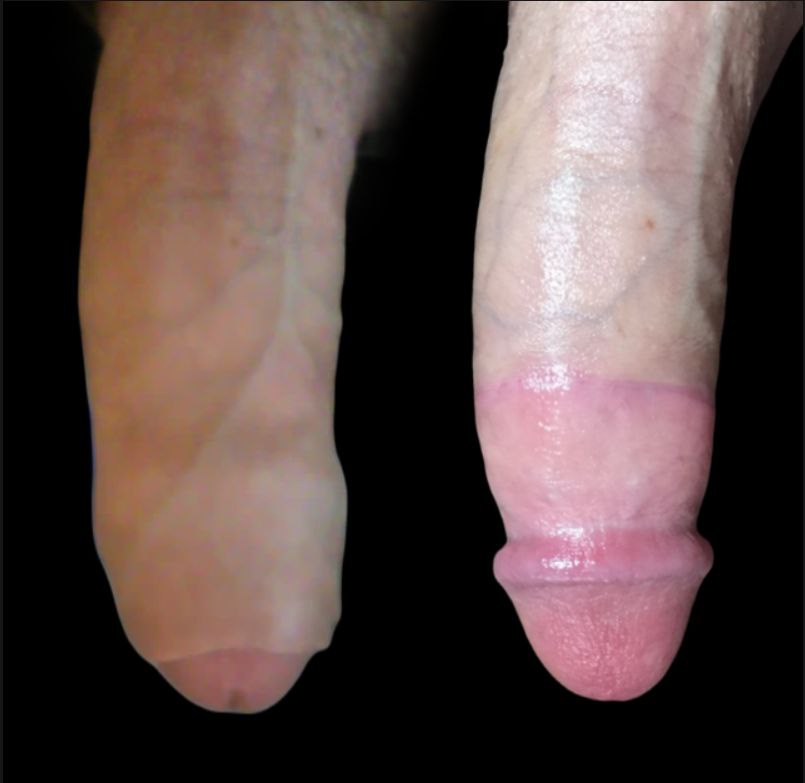
How Is Circumcision Performed?
The circumcision procedure is done by a general surgeon, urosurgeon, pediatric urologist, or pediatric surgeon in a hospital. Your teen’s primary care doctor may refer to a specialist if circumcision is required due to medical reasons. However, if it is done for religious reasons, it is usually performed in the newborn period after the hospital discharge, as a ceremony. Home circumcision and self-circumcision can often result in complications such as bleeding, infection, etc.
The following are some salient points about the procedure.
- The American Academy of Pediatrics recommends using local anesthesia before the procedure. It can be administered through anesthetic creams or injections by an expert.
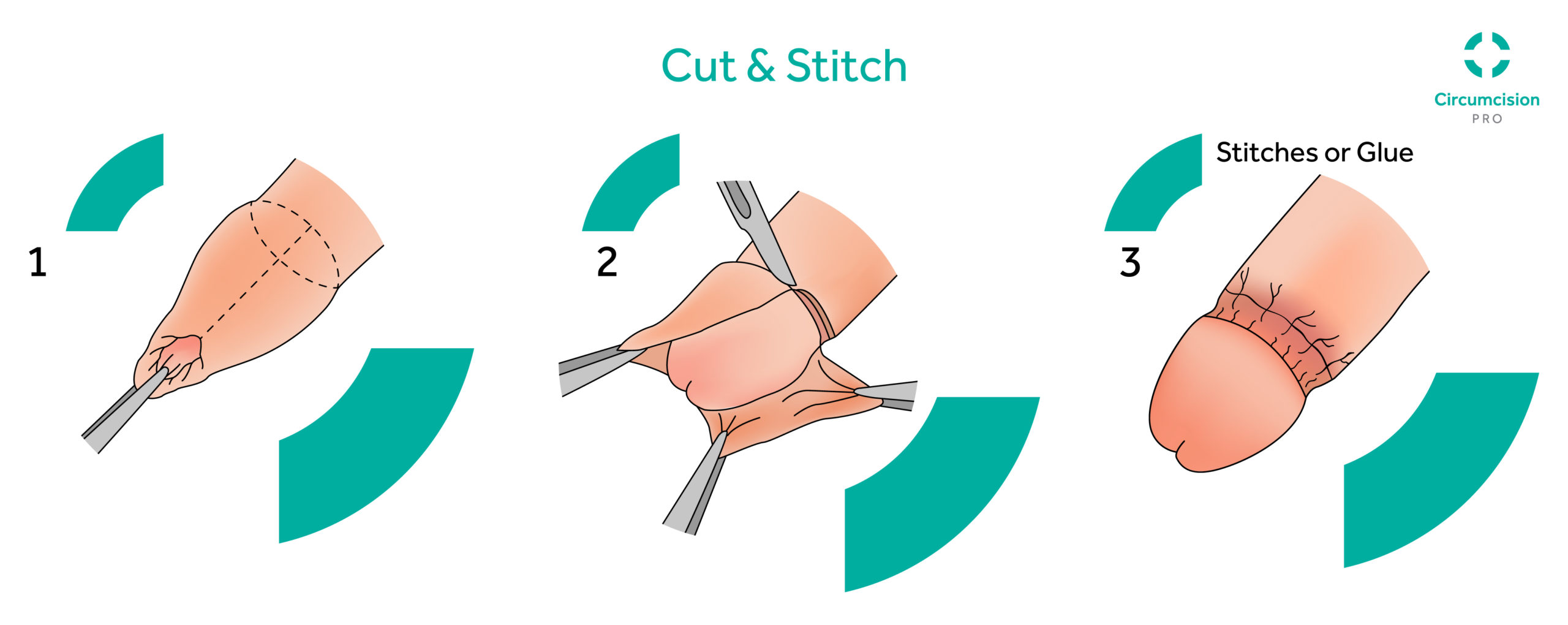
- The procedure involves the separation of the foreskin from the head of the penis (glans penis). It is followed by cutting a slit on the foreskin. Clamps are placed, and the entire foreskin is removed after bleeding stops.
- Temporary clamp devices or plastic rings are often placed on the penis for several days after the procedure to prevent bleeding.
Traditional circumcision may involve partial removal or a cut in the foreskin at some places. Surgical circumcision may give better results than traditional procedures. Circumcision may be risky for children or teens with clotting disorders due to bleeding risk.
Circumcision For Phimosis Treatment
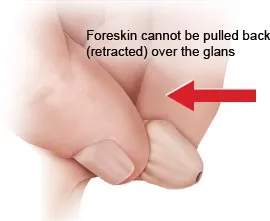
Preteens and teens may undergo circumcision as a treatment for phimosis or any other medical condition requiring foreskin removal. The complications of phimosis can be more severe than those of circumcision and may interfere with the quality of life. According to a systematic review undertaken by multiple institutions, the risk of phimosis in men is 3.4%
A specialized medical team gives phimosis treatment after informed consent from the adolescent boy.
Postoperative Care For Adolescent Circumcision
The most common complications of teenage circumcision are bleeding and wound infection.
The following measures are recommended for teenage boys after circumcision.
- Physical activity should be limited, while normal activities can be resumed. Rough and active sports should be avoided for up to two weeks. Heavy workouts and games may cause bleeding from the incision.
- Sponge baths are ideal until the second day of surgery. Bathing or shower can be done as usual after the second day of surgery. Do not rub or scrub the incision while bathing; you may ask your teen to pat it dry.
- The dressing on the incision is removed on the second day after surgery, if it does not fall off. Let the teen soak in the shower for ten minutes for easy removal.
- Apply antibiotic ointments prescribed by doctor or vaseline to prevent dry edges that may stick to clothes.
- Avoid tight clothes to prevent bleeding due to pressure on the penis.
- Paracetamol may be given for pain.
The follow-up visit can be after two to four weeks of surgery. It is essential to go to the doctor at this time to ensure proper healing.
Advantages Of Circumcision In Teen Boys

- Easy hygiene: It is easy to wash and clean a circumcised penis. However, uncircumcised boys can learn to wash beneath the foreskin.
- Reduced risk of urinary tract infections (UTIs): Circumcision may reduce the susceptibility towards developing urinary tract infections caused by pathogens.
- Reduced risk of sexually transmitted diseases: Circumcised males may have less chance of contracting sexually transmitted infections, such as HIV. However, the use of condoms remains essential for HIV prevention.
- Prevention of phimosis: Circumcision helps in the prevention of phimosis, a condition where the foreskin becomes tight and difficult to retract.
- Reduced risk of penile cancer in circumcised men.
- Reduced risk of cervical cancer in female partners of circumcised males.
These risks can be avoided by uncircumcised men, as well, with proper hygiene practices and care. Circumcision does not affect fertility or the ability to experience sexual pleasure in men and their sexual partners.
Penis Care In Uncircumcised Teen Boys

Routine bathing is enough to clean an uncircumcised penis in teens. Retracting or pulling back the foreskin to clean is not advised for babies and toddlers since this may cause scarring and pain.
You may teach your teenage boy to retract the foreskin during the shower and clean gently. The foreskin should be placed back to the head of the penis after cleaning. Leaving the foreskin retracted for too long could increase the risk of paraphimosis, which is swelling and pain due to the squeezing of the penile head by the foreskin.
Frequently Asked Questions
1. How to circumcise teenagers without surgery?
In 2013, the World Health Organization (WHO) prequalified a new device, called PrePex, for male circumcision that requires no surgery and no local anesthesia injection. You may speak to your healthcare provider about PrePex’s safe use for your teen.
2. Does circumcision in teenagers affect sperm?
No. Circumcision doesn’t affect sperm or fertility. Sperm production happens in the testicles (testes) and not the penis. Thus, the removal of the foreskin has no effect on sperm count or quality.
3. Does circumcision in teenagers affect their penis size?
No. Adolescent circumcision does not affect penile length and size. However, a small study suggests that newborn male circumcision (NMC) may lead to shorter penile length.
It is recommended to get the procedure done by experts to avoid complications. You may also try to approach traditional providers with experience and knowledge about the procedure for ritual circumcisions to avoid complications.